Turning UX decisions into Numbers
How I used business framing to connect product decisions to revenue, cost, and growth
Product Strategy
Influence
Communication
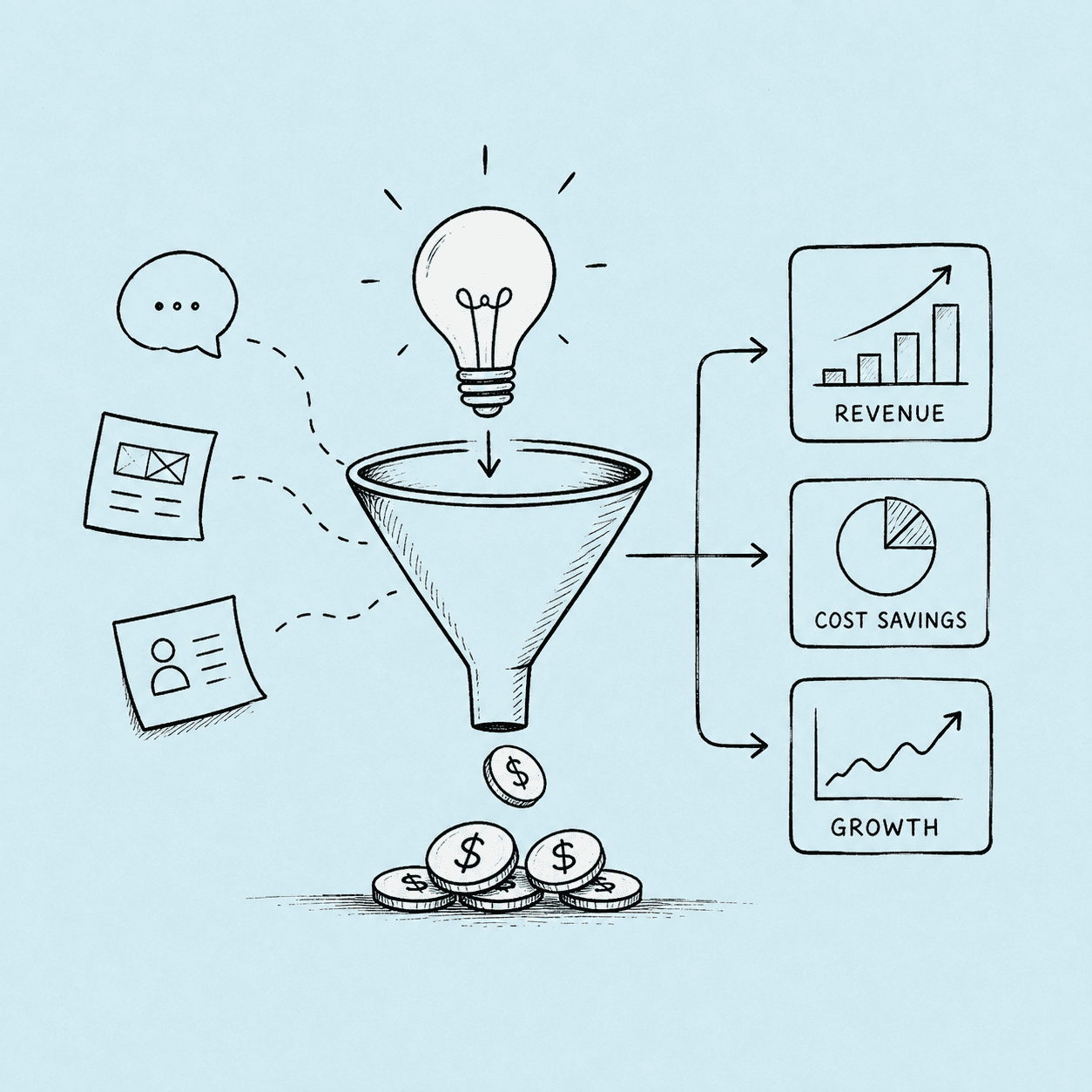
Context: From features to financial impact
As I worked more closely with business executives, I realized something simple but critical:
Good ideas are not enough. They need to be understood in numbers.
So I intentionally developed my understanding of business concepts like profit and loss, revenue streams, and cost structures. This changed how I present work.
Instead of starting with features or experience, I start with:
How this makes money
How this saves cost
How this scales

Presenting to executives?
When I present to executives, I focus on two sides:
Benefit (Revenue / Growth)
Cost (Time / Effort / Operations)
The goal is to make decisions obvious.

Micro Case 1: eSIM Revenue Calculator
At one of the telecom industry’s largest events, I equipped the sales team with printed materials designed to turn potential leads into buyers.
Input: total users, conversion rate, average plan value
Output: expected yearly revenue
This helped shift conversations from:
“Is this a good idea?”
to
“How much can this generate?”
It gave executives a clear, tangible way to evaluate opportunity size.

Micro Case 2: Distribution → Conversion → Retention
Through one of the largest events in teleco, I enabled the sales team through some printed material that converts potential leads into buyers.
I framed growth using a simple model:
Distribution: getting the product into more hands (e.g. branded cards at events)
Conversion: turning first-time users into paying users
Retention: keeping users engaged over time
Instead of discussing isolated features, I connected actions to a full growth loop.
This helped align teams around how value is created over time, not just at launch.

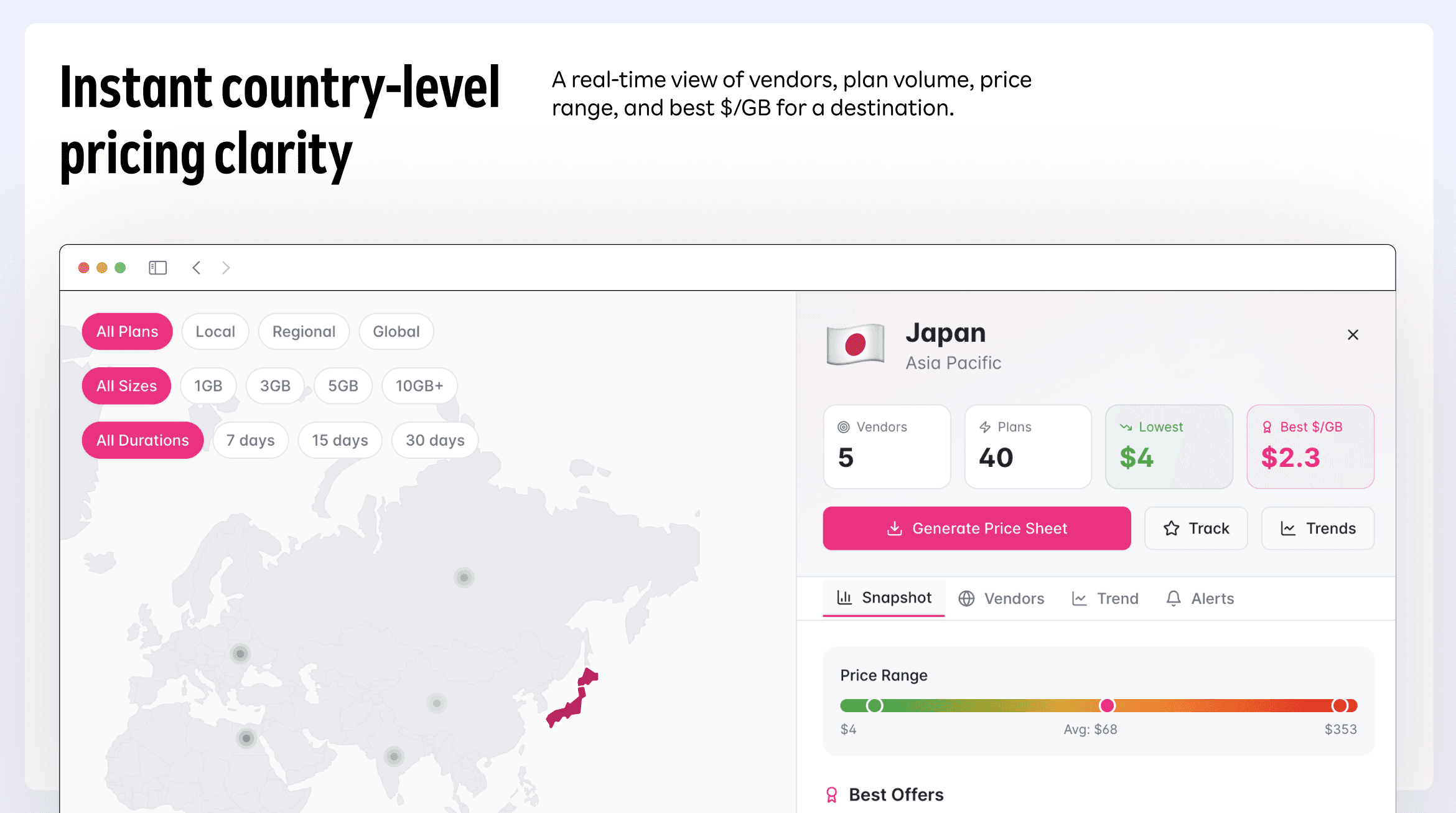
Micro Case 3: Pricing Intelligence Layer
In the pricing initiative, I framed impact in operational and financial terms:
Reducing task time → lowers operational cost
Faster execution → increases team capacity
Real-time pricing → improves competitiveness
This created a clear equation:
Less time + better decisions = more value with lower cost
Outcome
Enabled faster and clearer executive decisions
Shifted discussions from opinions to measurable impact
Connected product work directly to revenue and cost
Increased confidence in proposals and product direction
Most importantly:
Ideas became easier to approve because their impact was visible.

Reflection
This changed how I see product work:
If you cannot explain it in numbers, it will struggle to move forward.
By combining product thinking with business framing, I was able to operate more effectively with executive stakeholders and influence decisions beyond design.

© Ahmed Ramadan 2026